Rosemary Lemon Spring Cake
Highlighted under: Festive Baking
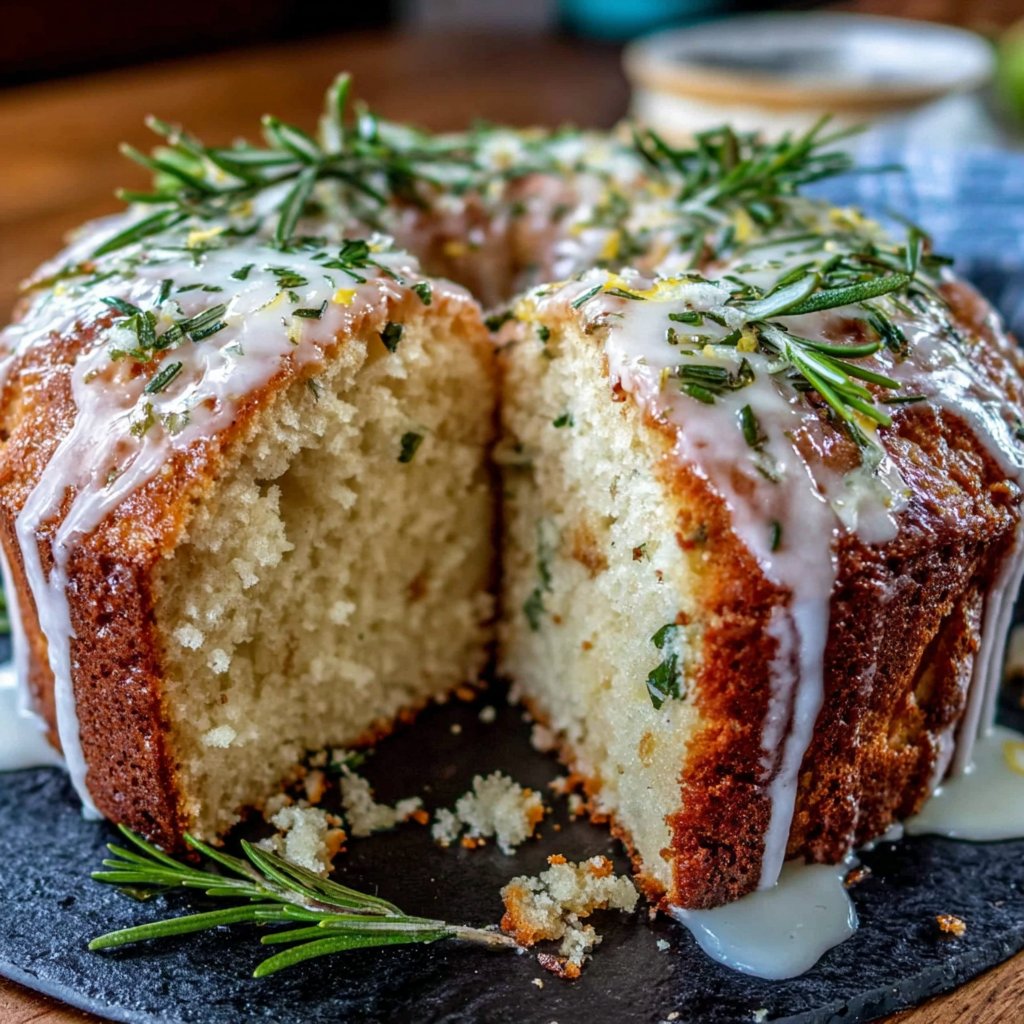
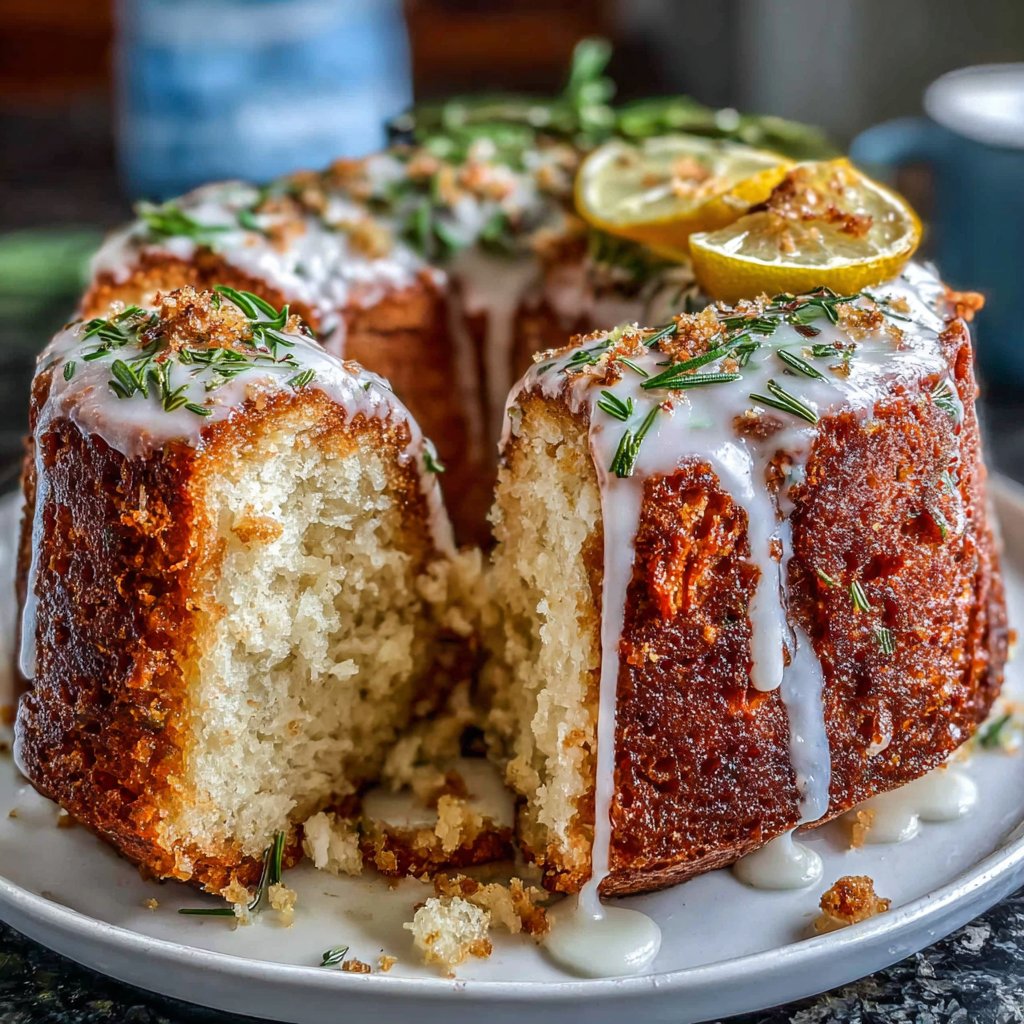
When I first baked this Rosemary Lemon Spring Cake, I was captivated by the vibrant, refreshing flavors that filled my kitchen. The combination of bright lemon zest and aromatic rosemary creates a lovely balance, both sweet and savory. I enjoyed how the cake rises beautifully, offering a light texture that, paired with a tangy glaze, is simply irresistible. Whether served at a spring gathering or as a delightful treat for afternoon tea, this cake never fails to impress.
As I experimented with flavors, rosemary came to mind, and it turned out to be the perfect herb to complement the tanginess of the lemon. I remember the first bite—soft cake infused with herby notes, making each forkful a delightful surprise. By folding in freshly grated lemon zest, the essence of spring truly comes alive in every slice.
One tip I discovered during my baking journey is to ensure the rosemary is finely chopped. This allows the subtle flavor to integrate beautifully into the cake, avoiding unwanted large bits that might overwhelm the palate. Trust me, this cake is a must-try for those who love a twist on traditional flavors!
Why You'll Love This Cake
- A unique blend of refreshing lemon and fragrant rosemary
- Light and fluffy texture, perfect for any occasion
- Easy to make and a true crowd-pleaser
Understanding the Ingredients
The star ingredients of this Rosemary Lemon Spring Cake are the fresh rosemary and bright lemon zest. Rosemary not only adds a distinct aromatic quality but also enhances the overall flavor profile, creating a unique savory element. When measuring rosemary, ensure it is finely chopped to disperse its flavor evenly throughout the cake. Fresh rosemary is preferable, but if unavailable, you can substitute it with a smaller amount of dried rosemary, keeping in mind that it has a more intense flavor.
Lemon zest plays a crucial role in uplifting the cake’s flavors. The oils in the zest give the cake its distinctive tangy aroma, complementing the sweetness from the sugar. When zesting, use a microplane to avoid the bitter white pith. It's important to only use organic lemons when zesting, as non-organic varieties may have wax or chemicals on their skin.
Baking Tips for Success
For the best results, make sure to use room temperature butter and eggs. This helps in creating a light and fluffy batter, which is essential for the cake to rise beautifully. If you forget to take the butter out in advance, you can cut it into small cubes and microwave it in short bursts of 5-10 seconds to soften it without melting.
During the mixing process, be careful not to overmix the batter once the dry ingredients are added. Overmixing can result in a dense cake due to gluten development. Mix just until you see no flour streaks. The batter should be slightly lumpy, but not overly wet or dry. This will ensure your cake stays light and airy, with a perfect rise.
Glazing for Flavor Enhancement
The glaze for this cake is not just a sweet finish but adds a layer of tangy flavor that elevates the overall taste. Ensure that the cake is completely cool before applying the glaze; otherwise, it will soak in rather than sitting prettily on top. I like to use a whisk to mix the glaze until it's smooth and glossy, which ensures an even consistency.
If the glaze is too thick, add a little more lemon juice, one teaspoon at a time, until you achieve your desired consistency. Conversely, if it’s too thin, simply add more powdered sugar. This adaptability allows for a perfect glaze that enhances not just the look, but also the taste of your cake.
Ingredients
Gather your ingredients before you begin!
For the Cake
- 1 cup granulated sugar
- 1/2 cup unsalted butter, room temperature
- 2 large eggs
- 1/2 cup buttermilk
- 1 tablespoon lemon zest
- 2 tablespoons fresh rosemary, finely chopped
- 1 1/2 cups all-purpose flour
- 1 teaspoon baking powder
- 1/2 teaspoon baking soda
- 1/4 teaspoon salt
For the Glaze
- 1 cup powdered sugar
- 2 tablespoons lemon juice
- 1 teaspoon lemon zest
Make sure to measure everything accurately for the best results!
Instructions
Follow these simple steps to create your cake.
Preheat the Oven
Preheat your oven to 350°F (175°C) and grease a 9-inch round cake pan.
Mix Ingredients
In a large bowl, cream together the sugar and butter until light and fluffy. Add the eggs one at a time, mixing well after each addition. Stir in the buttermilk, lemon zest, and rosemary.
Combine Dry Ingredients
In a separate bowl, whisk together the flour, baking powder, baking soda, and salt.
Combine Wet and Dry Ingredients
Gradually add the dry ingredients to the wet mixture, mixing until just combined.
Bake the Cake
Pour the batter into the prepared pan and bake for 30 minutes or until a toothpick inserted into the center comes out clean.
Prepare the Glaze
While the cake is baking, mix together the powdered sugar, lemon juice, and lemon zest in a bowl until smooth.
Glaze the Cake
Once the cake is out of the oven and cooled, pour the glaze over the top and let it drizzle down the sides.
Enjoy your delicious Rosemary Lemon Spring Cake!
Pro Tips
- For an extra touch, sprinkle a few additional chopped rosemary leaves on top of the glaze for a beautiful presentation.
Make-Ahead and Storage
You can prepare this Rosemary Lemon Spring Cake a day in advance. Once fully cooled, wrap it tightly in plastic wrap and store it at room temperature. This allows the flavors to meld while keeping the cake moist. If you need to store it longer, consider refrigerating it, but this may slightly alter the texture. Just remember to bring it back to room temperature before serving for the best experience.
If you want to make the glaze ahead of time, store it in the refrigerator in an airtight container. Before using, give it a good stir, and if it’s thickened too much, add a few drops of lemon juice to loosen it up.
Serving Suggestions
This cake is perfect for serving alongside a pot of tea, especially during spring gatherings or afternoon tea parties. For an added touch, serve it with a dollop of whipped cream or a scoop of vanilla ice cream topped with fresh berries. The creaminess complements the lightness of the cake wonderfully.
For a more festive presentation, I recommend garnishing the finished cake with a sprinkle of extra lemon zest and fresh rosemary sprigs. This not only makes it visually appealing but also reinforces the flavors present in the cake. It’s such a simple touch that creates an inviting aura on your dessert table.
Questions About Recipes
→ Can I use dried rosemary instead of fresh?
Yes, but use about one-third of the amount, as dried herbs are more concentrated in flavor.
→ How do I store leftover cake?
Store in an airtight container at room temperature for up to 3 days or in the refrigerator for up to a week.
→ Can I freeze this cake?
Yes, it can be frozen. Wrap it tightly in plastic wrap and foil and freeze for up to 3 months.
→ What can I serve with this cake?
Pair it with a dollop of whipped cream or serve it alongside a scoop of lemon sorbet for a refreshing dessert.
Rosemary Lemon Spring Cake
Created by: The Jamescookbook Team
Recipe Type: Festive Baking
Skill Level: Intermediate
Final Quantity: 8 servings
What You'll Need
For the Cake
- 1 cup granulated sugar
- 1/2 cup unsalted butter, room temperature
- 2 large eggs
- 1/2 cup buttermilk
- 1 tablespoon lemon zest
- 2 tablespoons fresh rosemary, finely chopped
- 1 1/2 cups all-purpose flour
- 1 teaspoon baking powder
- 1/2 teaspoon baking soda
- 1/4 teaspoon salt
For the Glaze
- 1 cup powdered sugar
- 2 tablespoons lemon juice
- 1 teaspoon lemon zest
How-To Steps
Preheat your oven to 350°F (175°C) and grease a 9-inch round cake pan.
In a large bowl, cream together the sugar and butter until light and fluffy. Add the eggs one at a time, mixing well after each addition. Stir in the buttermilk, lemon zest, and rosemary.
In a separate bowl, whisk together the flour, baking powder, baking soda, and salt.
Gradually add the dry ingredients to the wet mixture, mixing until just combined.
Pour the batter into the prepared pan and bake for 30 minutes or until a toothpick inserted into the center comes out clean.
While the cake is baking, mix together the powdered sugar, lemon juice, and lemon zest in a bowl until smooth.
Once the cake is out of the oven and cooled, pour the glaze over the top and let it drizzle down the sides.
Extra Tips
- For an extra touch, sprinkle a few additional chopped rosemary leaves on top of the glaze for a beautiful presentation.
Nutritional Breakdown (Per Serving)
- Calories: 250 kcal
- Total Fat: 8g
- Saturated Fat: 5g
- Cholesterol: 45mg
- Sodium: 180mg
- Total Carbohydrates: 40g
- Dietary Fiber: 1g
- Sugars: 20g
- Protein: 3g